Frequently Asked Questions
What services are offered for pasture renovation?
The services offered for pasture renovation include expert reseeding, soil care, and management strategies aimed at improving soil health and optimizing grazing conditions for livestock.
How can pasture improvement benefit livestock health?
Pasture improvement significantly benefits livestock health by enhancing the quality and nutritional value of forage. This leads to better weight gain, improved immune function, and overall increased productivity in livestock.
What techniques enhance pasture renovation effectiveness?
Techniques that enhance pasture renovation effectiveness include proper soil testing, selecting suitable grass species, implementing rotational grazing, and applying appropriate fertilizers. These methods improve soil health and promote robust grass growth, leading to better grazing conditions for livestock.
How often should pasture improvement be performed?
Pasture improvement should be performed regularly, ideally every 3 to 5 years, depending on soil health and pasture condition, to maintain optimal grazing quality and productivity for livestock.
What are the signs of pasture degradation?
The signs of pasture degradation include reduced plant diversity, increased weed growth, soil erosion, and lower forage quality. These indicators can negatively impact livestock health and productivity, highlighting the need for timely intervention.
Which crops are best for pasture reseeding?
The best crops for pasture reseeding include perennial grasses like ryegrass, fescue, and clover, as they enhance soil health and provide nutritious forage for livestock.
How does soil health impact pasture productivity?
Soil health significantly impacts pasture productivity. Healthy soil enhances nutrient availability, improves water retention, and supports beneficial microorganisms, all of which contribute to robust plant growth and ultimately lead to more productive grazing conditions for livestock.
What is the cost of pasture renovation services?
The cost of pasture renovation services varies based on factors such as the size of the area, the specific services required, and soil conditions. For an accurate estimate, please contact us directly for a consultation.
How can I assess my pastures health?
Assessing your pasture's health involves evaluating soil quality, plant diversity, and overall growth. Regularly check for signs of erosion, nutrient deficiencies, and pest infestations to ensure optimal grazing conditions for your livestock.
What role does irrigation play in pasture improvement?
Irrigation plays a crucial role in pasture improvement by ensuring consistent moisture levels, which promote healthy grass growth and enhance soil quality. This leads to better grazing conditions and increased productivity for livestock.
How can cover crops aid pasture renovation?
Cover crops can significantly aid pasture renovation by improving soil health, enhancing nutrient retention, and reducing erosion. They also suppress weeds and enhance biodiversity, leading to more productive and resilient grazing conditions for livestock.
What are the benefits of soil testing?
The benefits of soil testing are essential for optimizing pasture health and productivity. It provides valuable insights into nutrient levels, pH balance, and soil composition, enabling targeted amendments that enhance soil fertility and support effective pasture renovation.
How does pasture management affect livestock yield?
Effective pasture management directly influences livestock yield by optimizing forage quality and availability, ensuring animals receive adequate nutrition for growth and productivity. Healthy pastures lead to improved weight gain and overall livestock performance.
What equipment is used for pasture renovation?
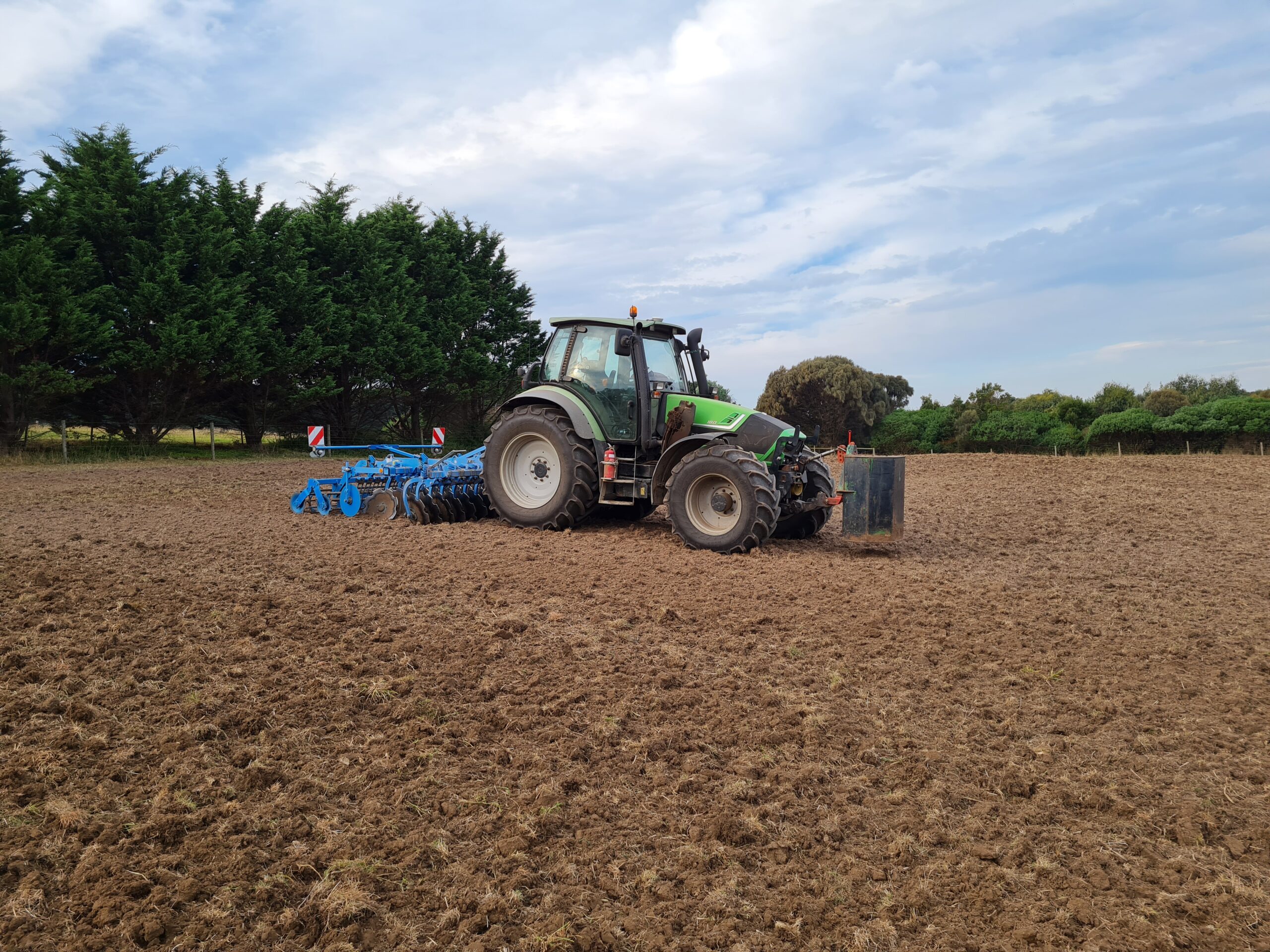
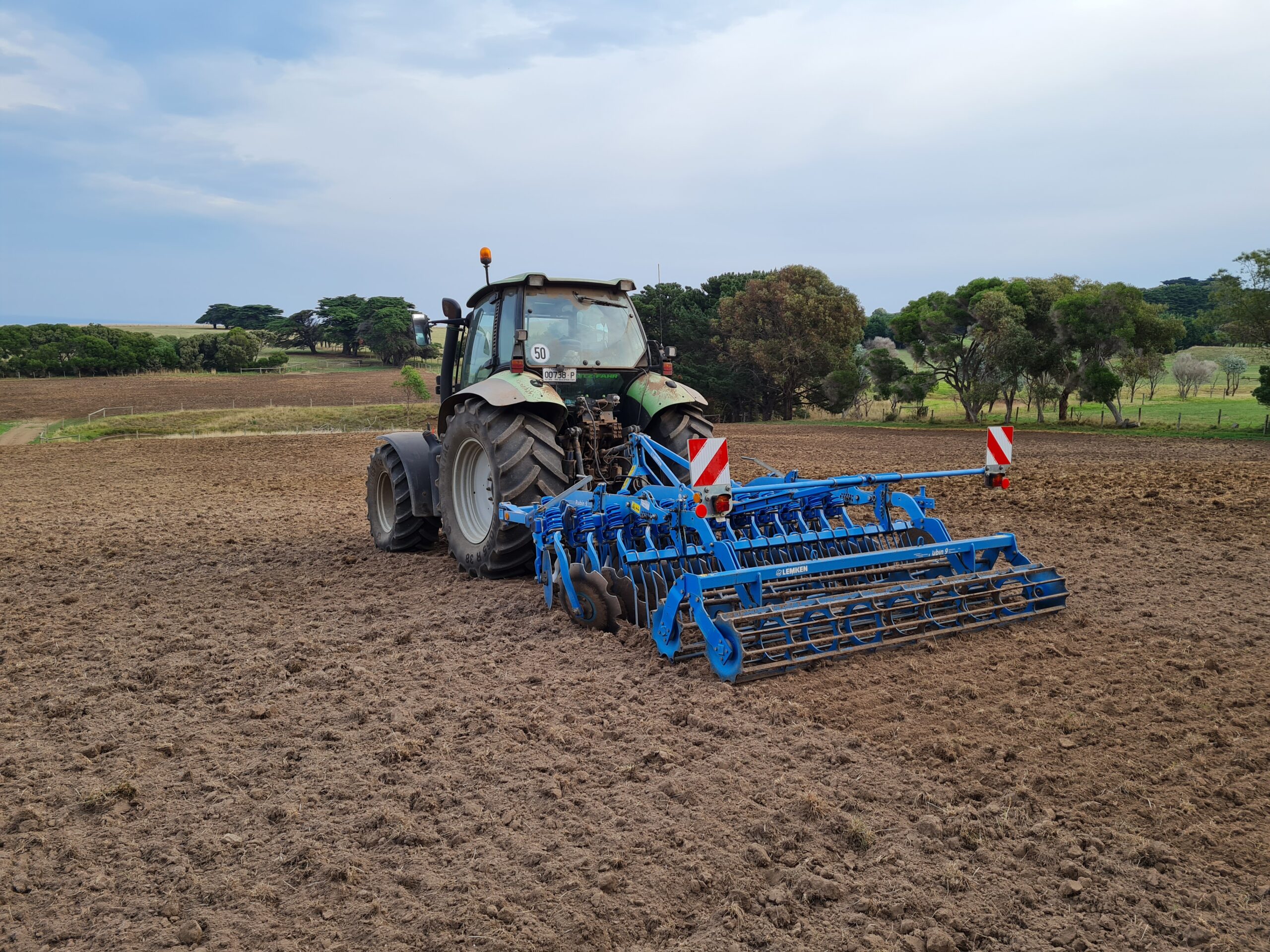
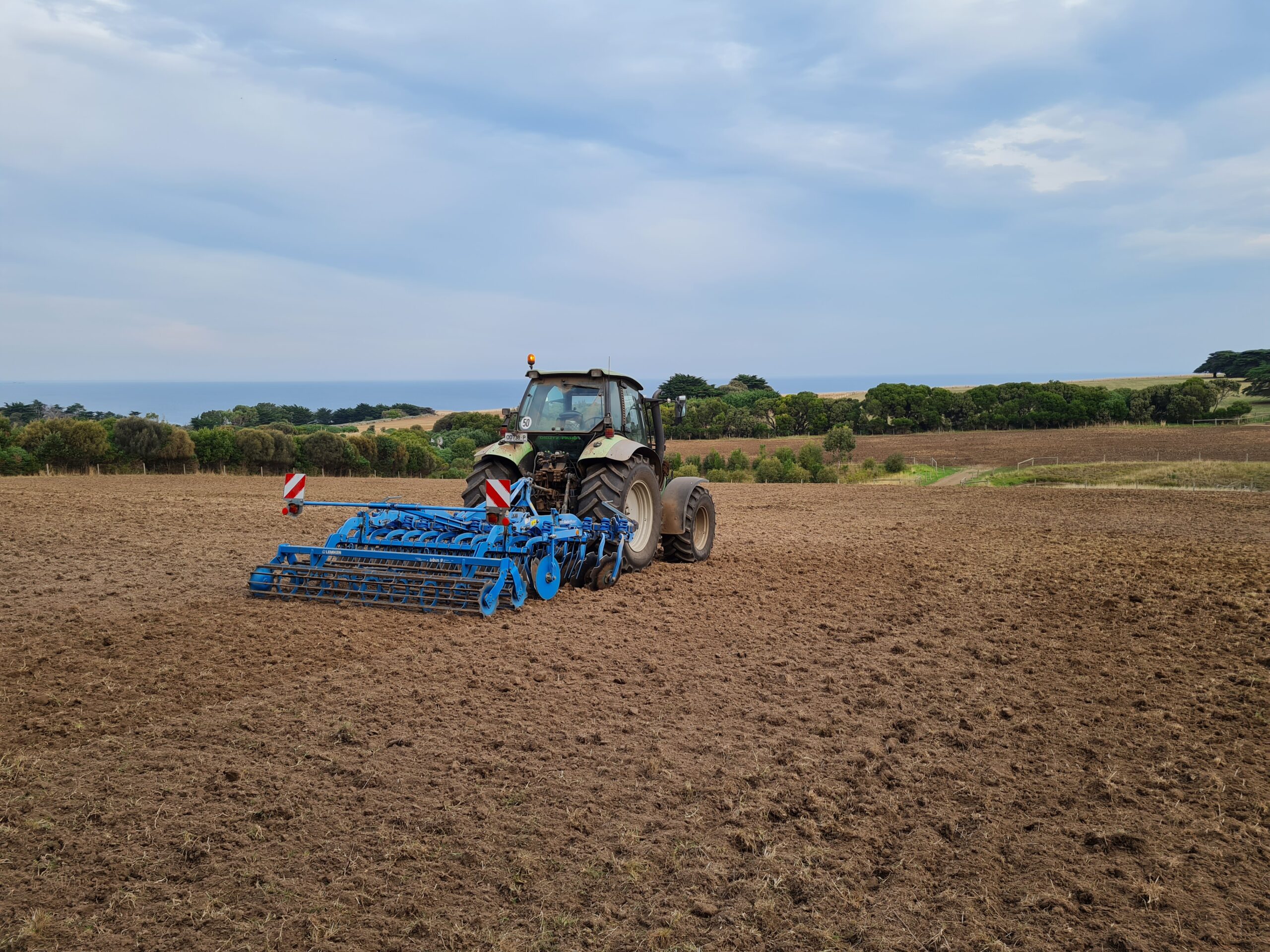
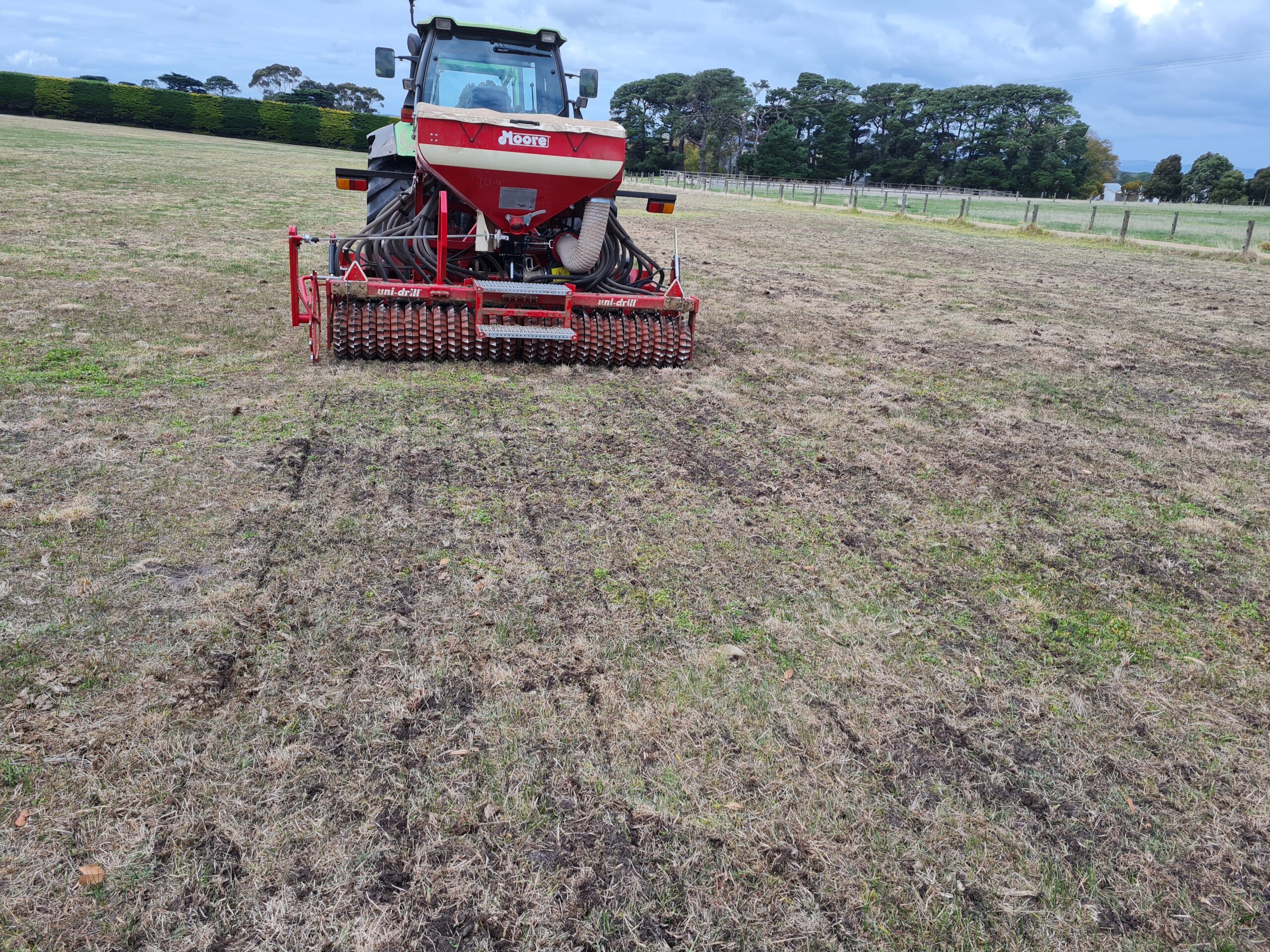
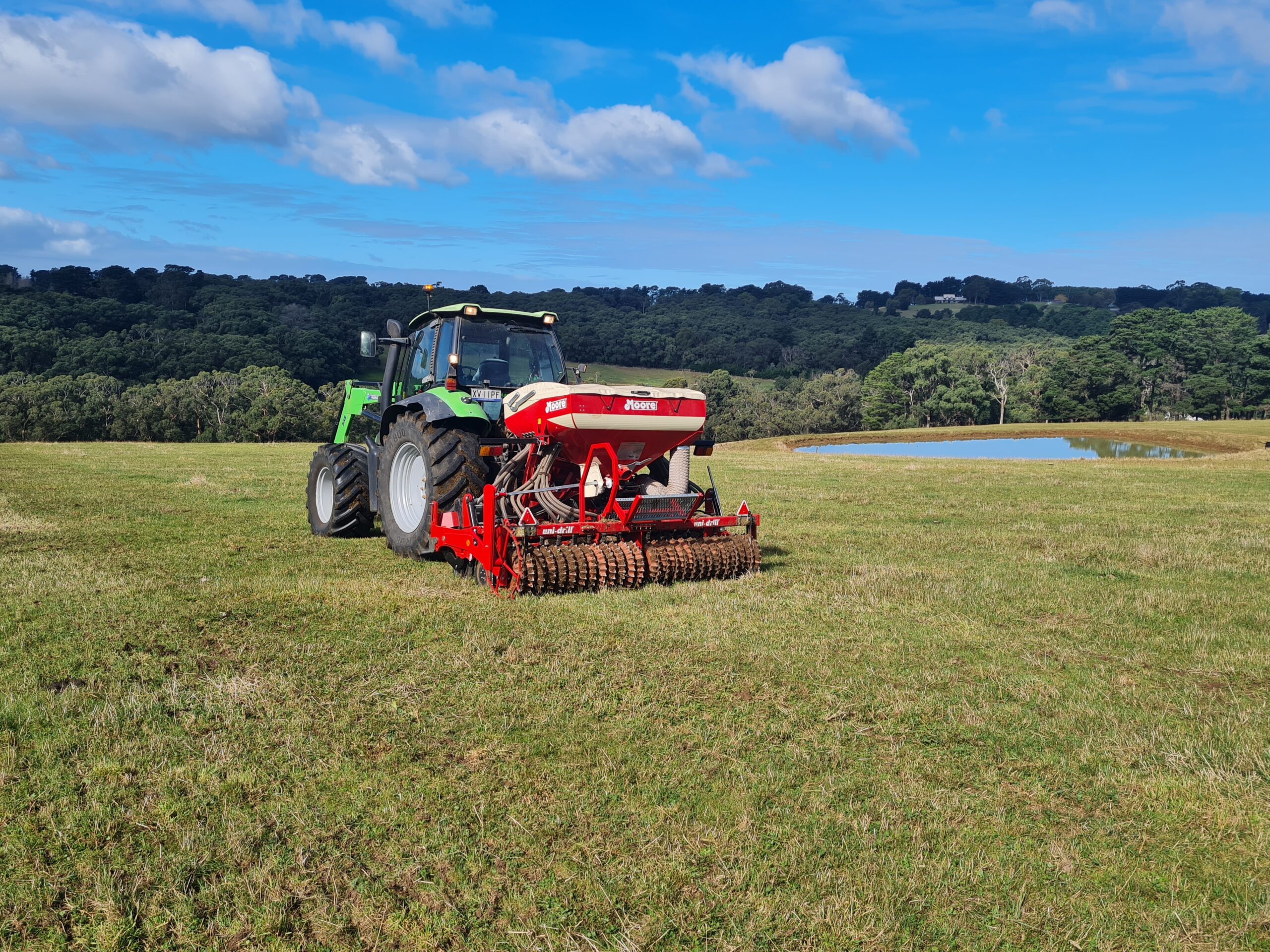
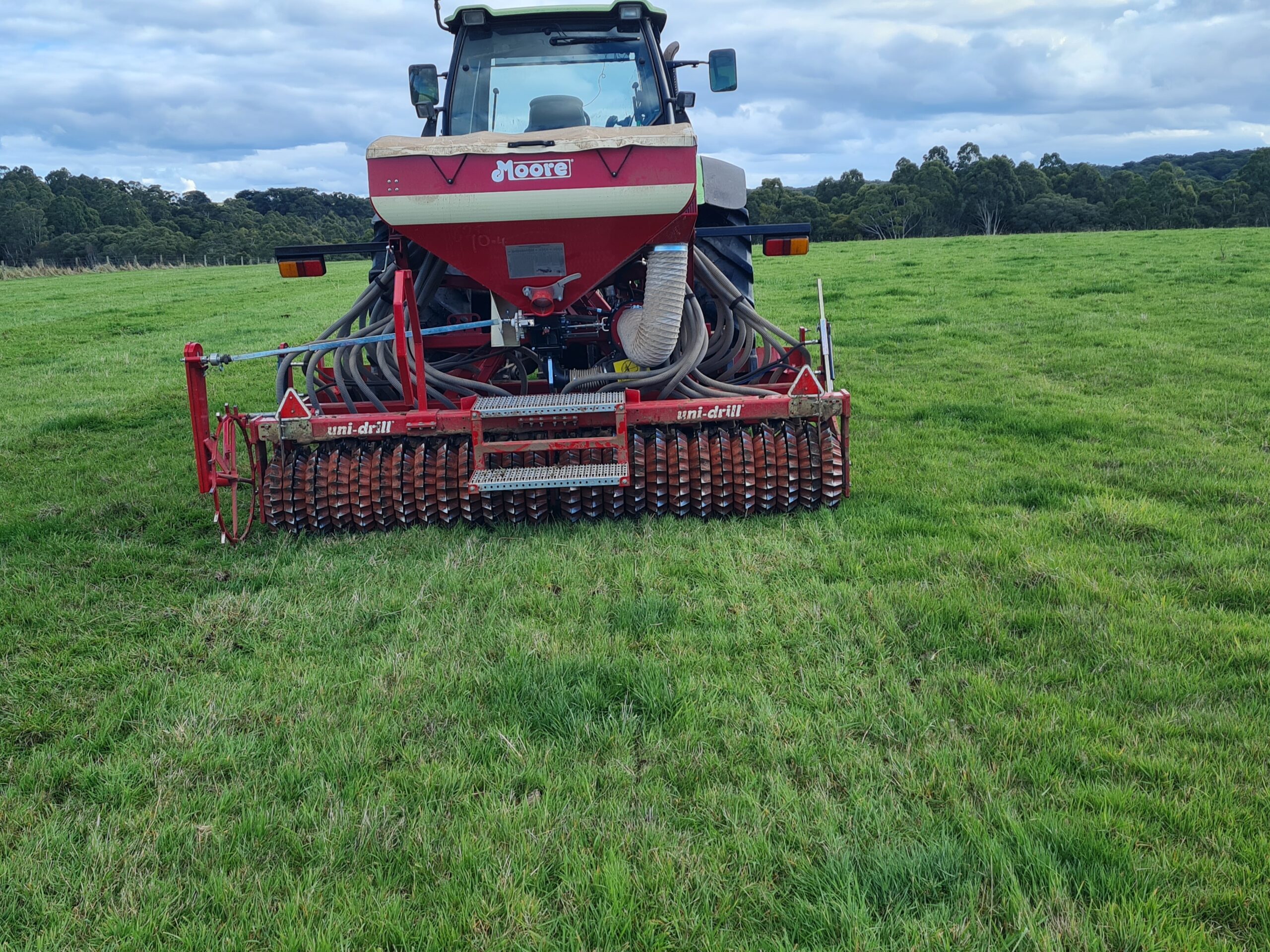
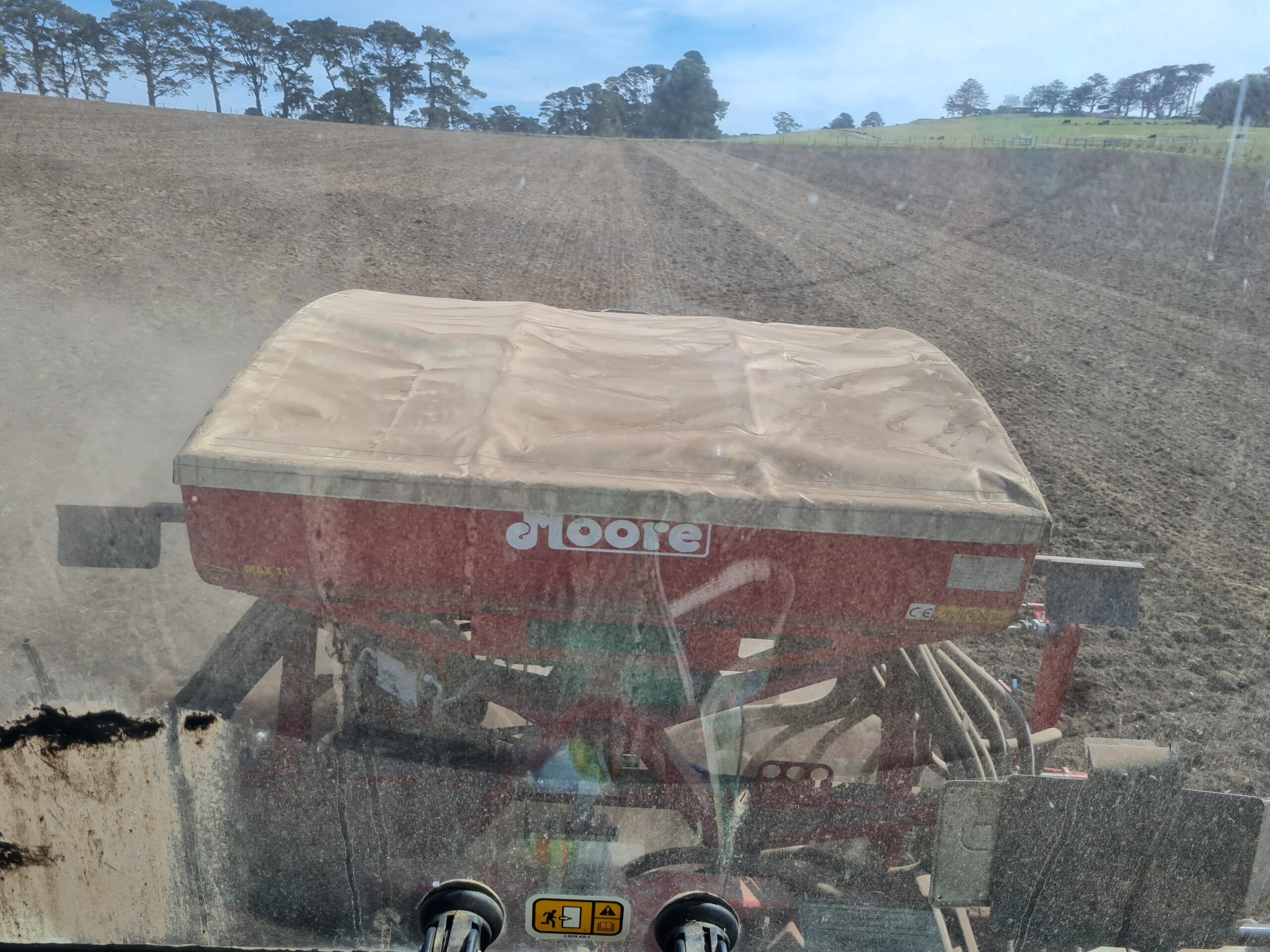
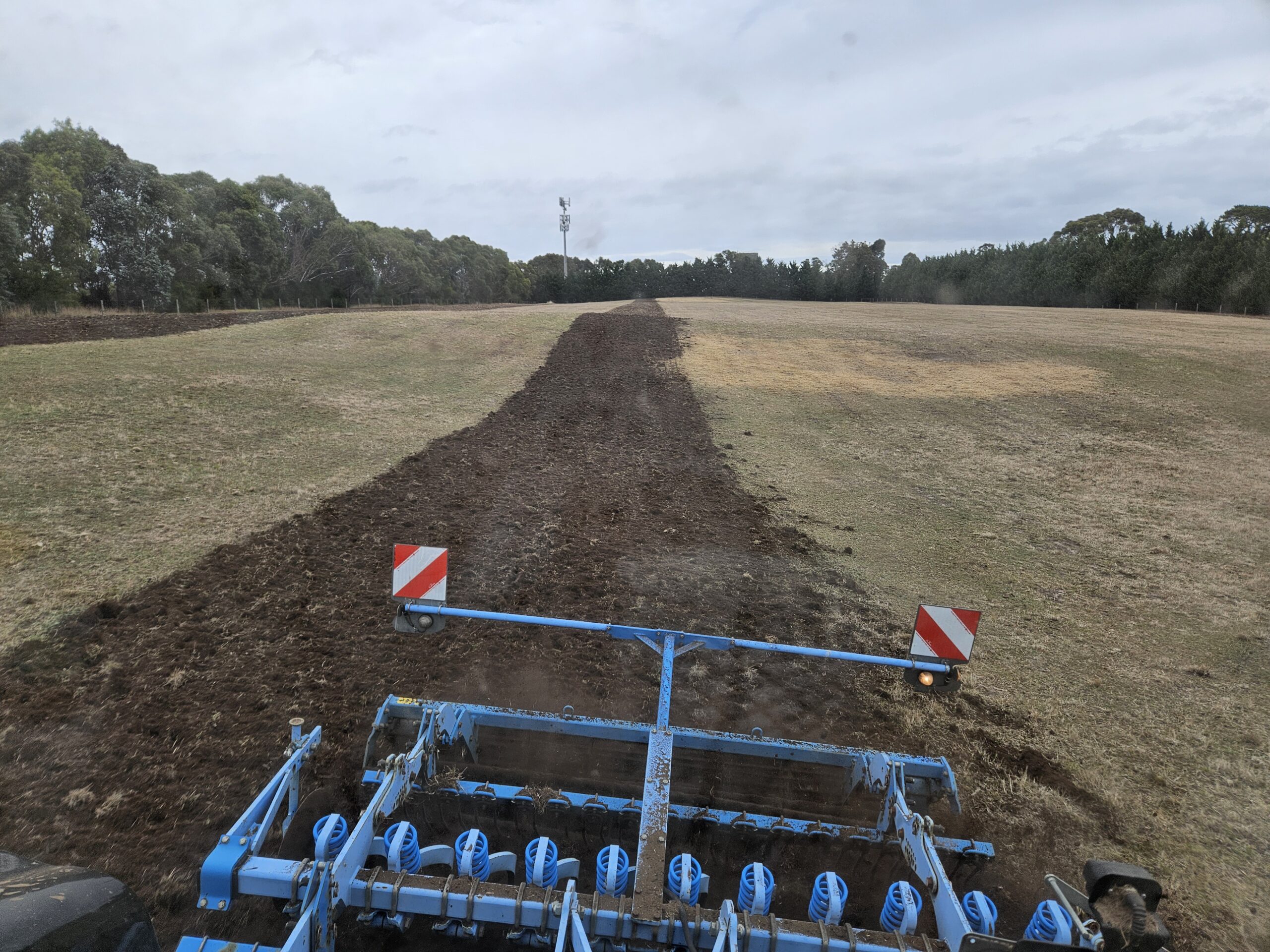
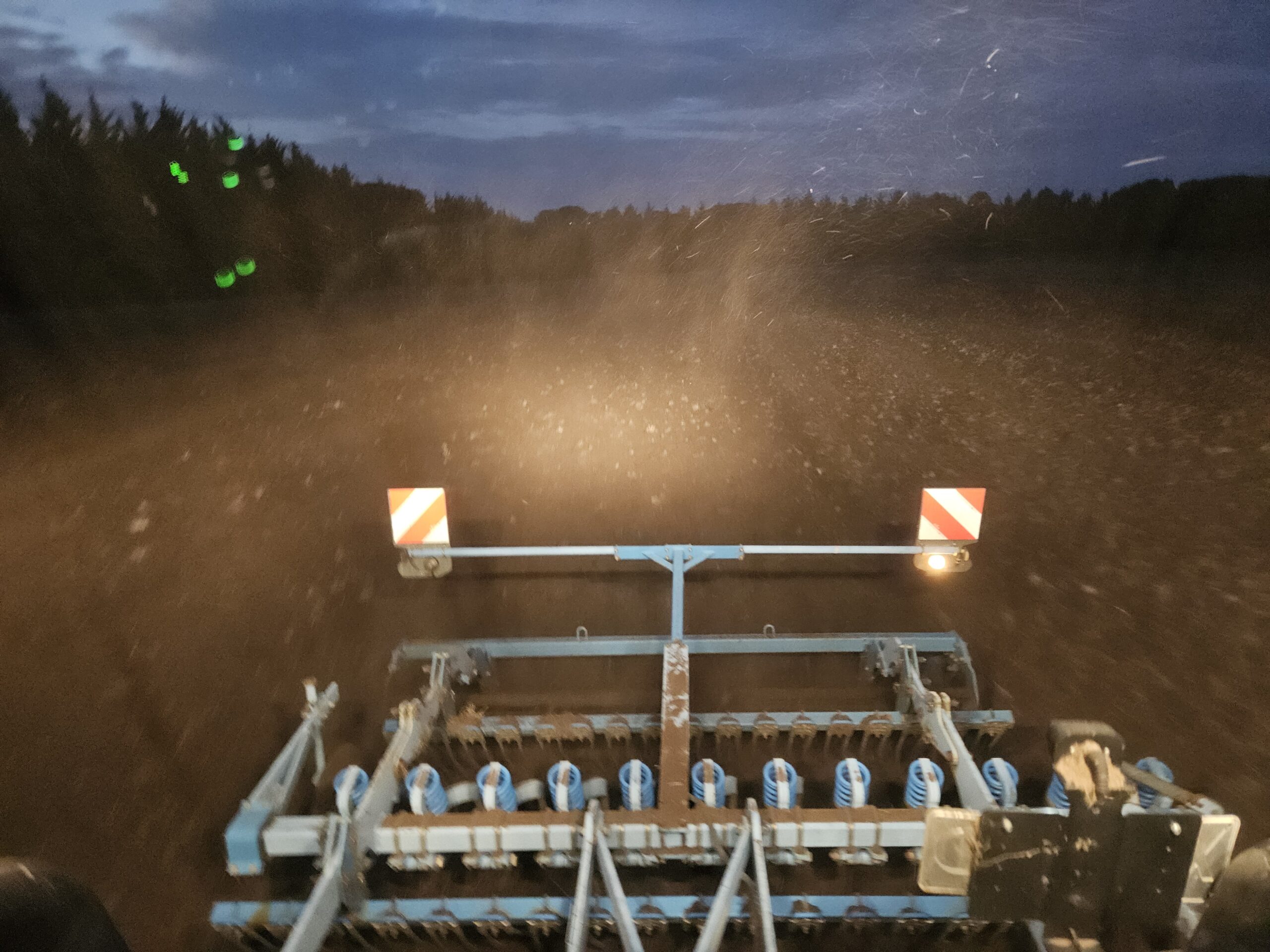
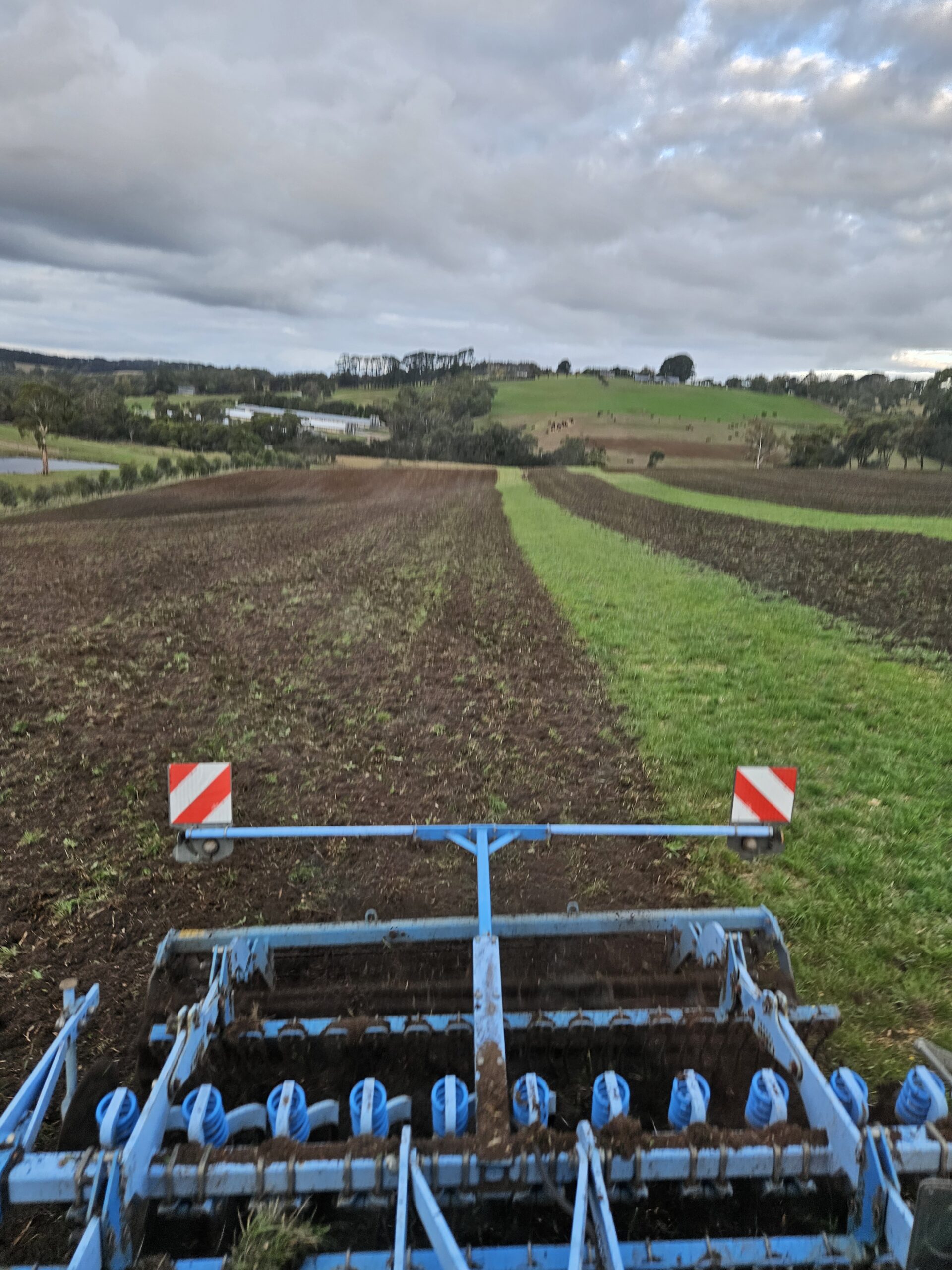
The equipment used for pasture renovation includes seeders for reseeding, tillers for soil preparation, and aerators to enhance soil health, ensuring optimal conditions for improved grazing.
How can I prevent weed growth in pastures?
Preventing weed growth in pastures involves implementing effective management strategies. Regularly maintaining soil health through proper reseeding, ensuring adequate nutrient levels, and promoting strong grass growth can significantly reduce weed competition.
What is the ideal time for reseeding pastures?
The ideal time for reseeding pastures is typically in early spring or late summer. This timing allows seeds to establish roots before extreme weather conditions, ensuring better growth and improved grazing conditions for livestock.
How does pasture rotation improve soil health?
Pasture rotation improves soil health by allowing rest periods for grazed areas, which enhances root growth, increases organic matter, and promotes beneficial microbial activity. This practice ultimately leads to better nutrient cycling and soil structure.
What are common mistakes in pasture renovation?
Common mistakes in pasture renovation include neglecting soil testing, choosing inappropriate seed varieties, failing to prepare the seedbed properly, and overlooking the importance of proper timing for seeding and fertilization.
How can I improve pasture drainage?
Improving pasture drainage involves implementing practices such as installing drainage tiles, creating contour furrows, and maintaining proper soil health. These methods help reduce waterlogging and enhance the overall productivity of your pasture.
What nutrients are essential for healthy pastures?
The essential nutrients for healthy pastures include nitrogen, phosphorus, potassium, calcium, and magnesium. These nutrients promote robust plant growth, improve soil health, and enhance overall pasture productivity for optimal livestock grazing.
How does climate affect pasture management strategies?
Climate significantly impacts pasture management strategies by influencing grass growth, soil moisture levels, and overall pasture health. Adapting management practices to local climate conditions is essential for optimizing grazing and ensuring sustainable livestock production.
What are the long-term benefits of pasture improvement?
The long-term benefits of pasture improvement include enhanced soil health, increased forage productivity, better water retention, and improved grazing conditions, all of which contribute to healthier livestock and greater overall farm sustainability.
How can I choose the right pasture mix?
Choosing the right pasture mix involves considering your soil type, climate, and livestock needs. Consult with an expert to select a blend that enhances soil health and maximizes grazing productivity.
What is the impact of overgrazing on pastures?
The impact of overgrazing on pastures is significant, as it leads to soil degradation, reduced plant diversity, and weakened pasture health, ultimately diminishing the productivity and sustainability of grazing lands for livestock.
How can technology assist in pasture management?
Technology can greatly assist in pasture management by providing tools for monitoring soil health, optimizing irrigation, and analyzing pasture growth patterns. These advancements lead to improved grazing conditions and enhanced productivity for livestock.
What are the best practices for pasture maintenance?
The best practices for pasture maintenance include regular reseeding, proper soil care, rotational grazing, and monitoring for pests and diseases. These methods enhance soil health and improve grazing conditions for livestock, ensuring sustainable pasture productivity.
How can I enhance biodiversity in my pastures?
Enhancing biodiversity in your pastures involves incorporating a variety of native grasses and legumes, implementing rotational grazing practices, and minimizing chemical inputs. These strategies promote a healthier ecosystem, benefiting both soil health and livestock productivity.
What role do legumes play in pasture health?
The role of legumes in pasture health is significant. They enhance soil fertility by fixing nitrogen, improve forage quality, and support a diverse ecosystem, ultimately leading to healthier pastures and better grazing conditions for livestock.
How can I monitor pasture growth effectively?
Monitoring pasture growth effectively involves regularly assessing plant height, density, and overall health. Utilize tools like a ruler or pasture stick, and consider using photos or growth charts to track changes over time.
What are the environmental benefits of pasture renovation?
The environmental benefits of pasture renovation include improved soil health, enhanced biodiversity, and increased carbon sequestration. These practices promote sustainable grazing, reduce erosion, and enhance water retention, ultimately leading to healthier ecosystems.