Frequently Asked Questions
Who installs farm fences?
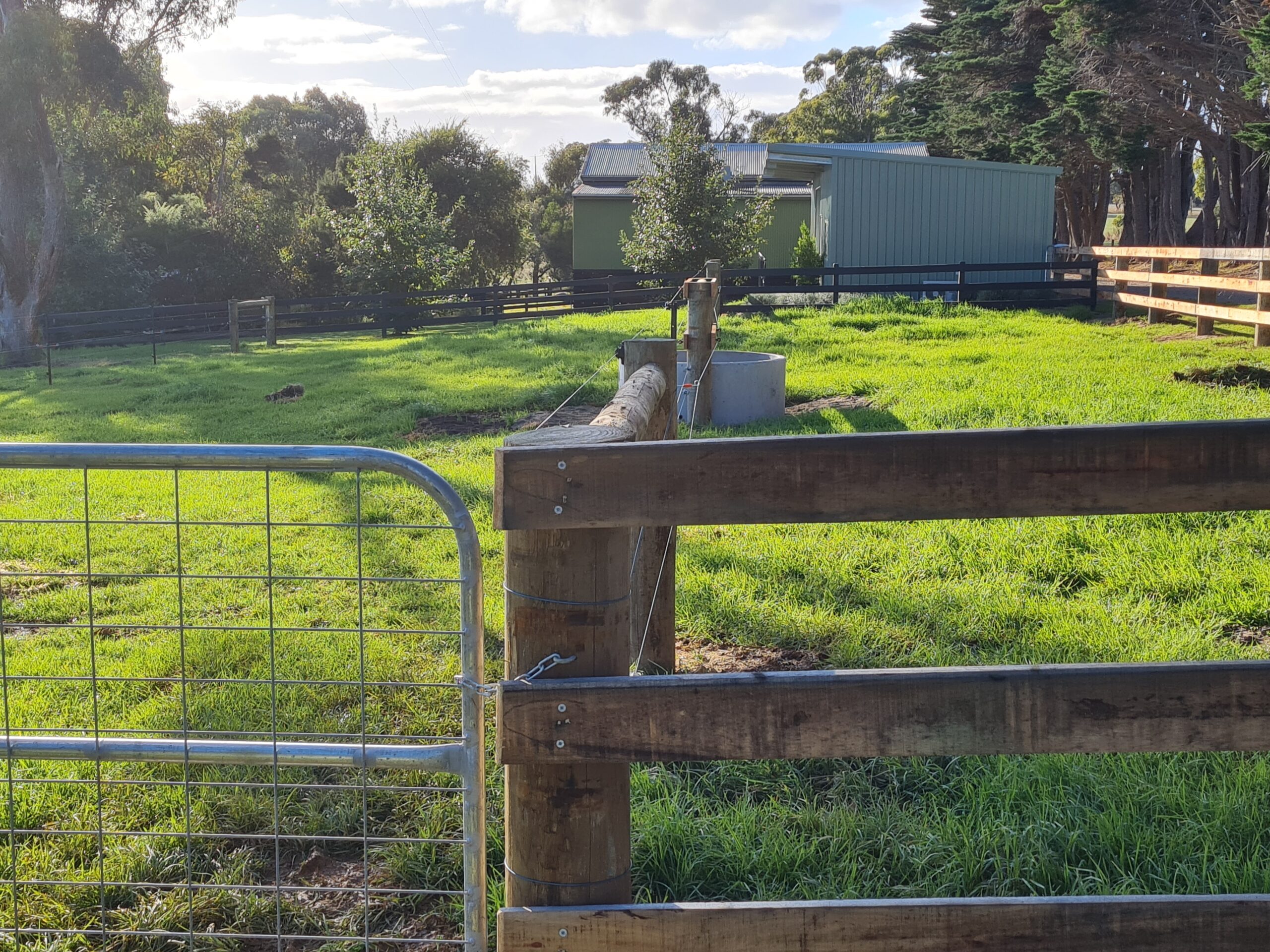
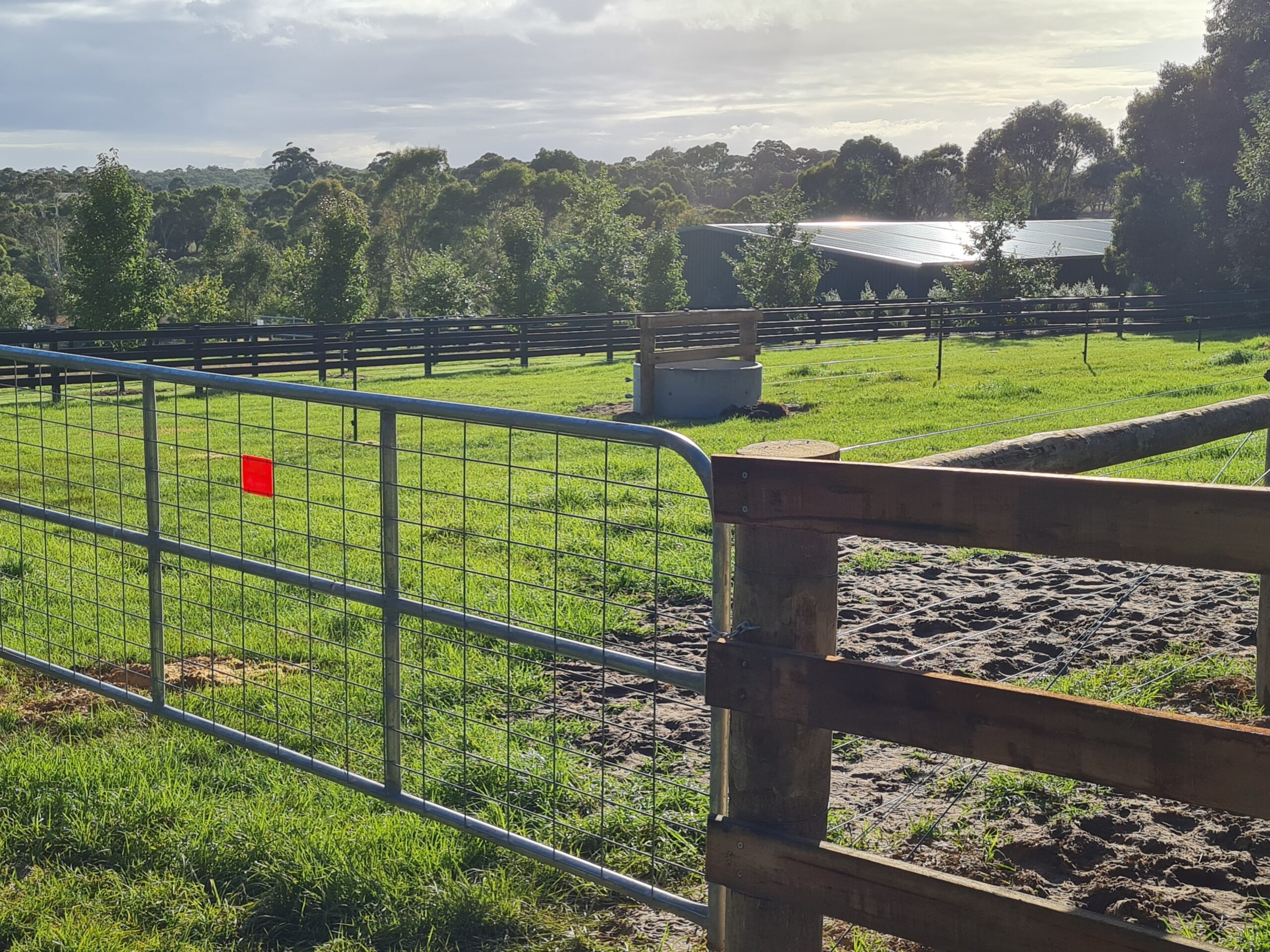
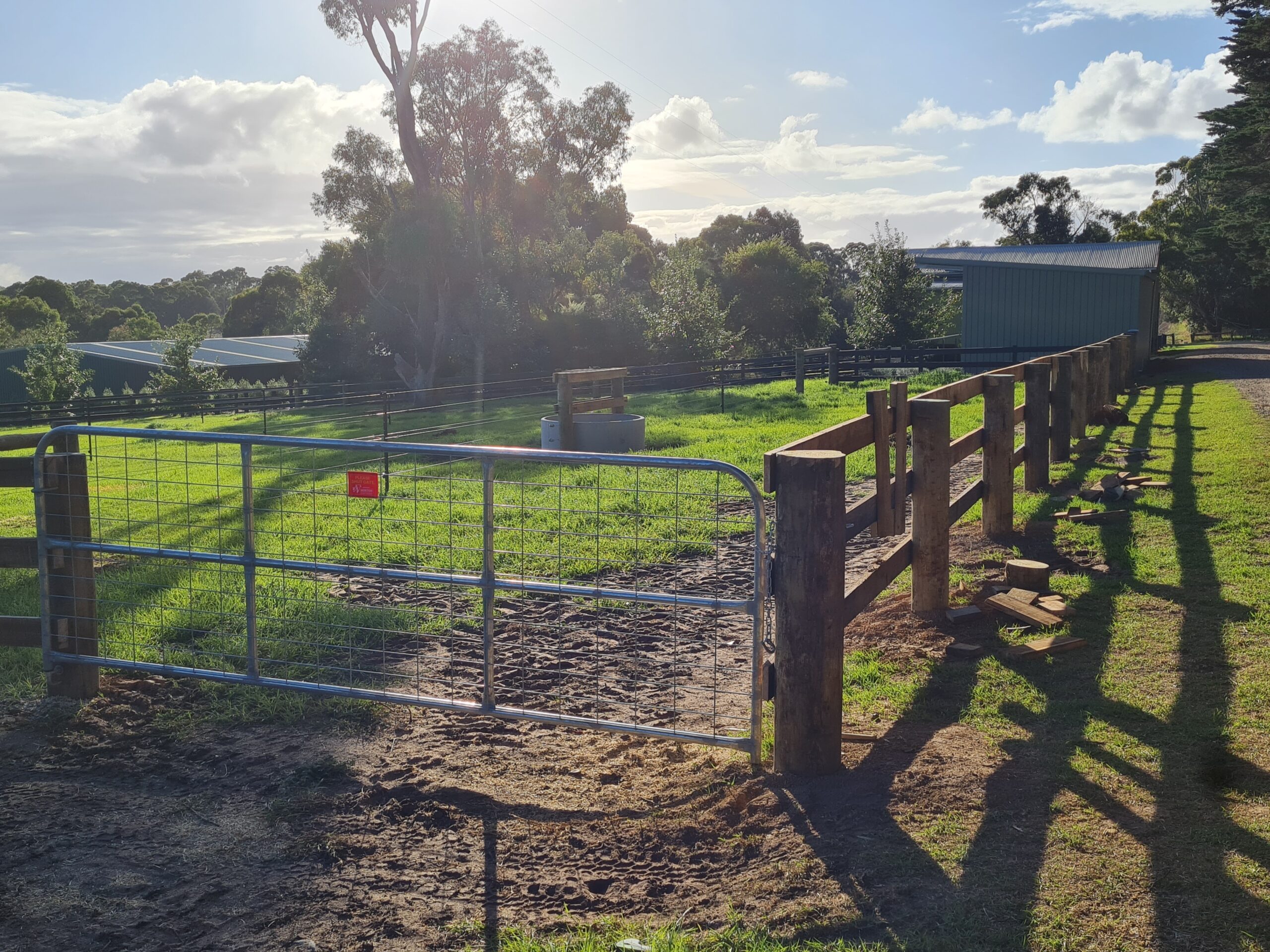
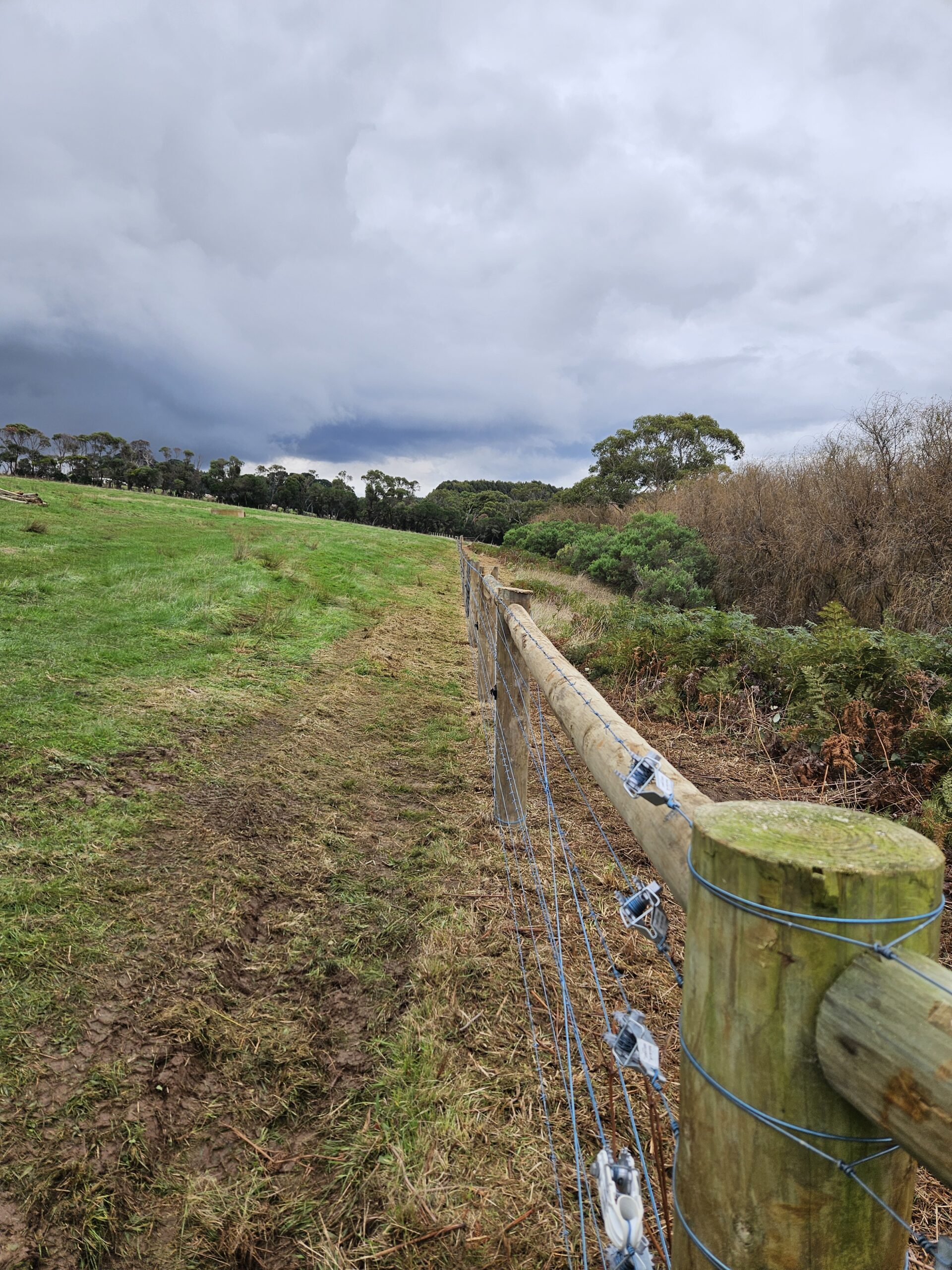
Farm fences are typically installed by professional fencing contractors, such as Pat Morrissey Agricultural Contracting, who specialize in custom fencing solutions tailored to the specific needs of agricultural properties and livestock protection.
What areas do contractors cover?
Contractors cover a wide range of areas, including rural and agricultural regions, specifically focusing on farms and livestock properties in need of custom fencing solutions.
Who installs fences in Mornington?
Fences in Mornington are installed by experienced contractors like Pat Morrissey Agricultural Contracting, specializing in custom fencing solutions tailored for agricultural needs, ensuring the protection of farms and livestock.
What types of fences are available?
The types of fences available include barbed wire, electric, wooden, and vinyl options, each designed to meet specific agricultural needs and effectively secure your farm and livestock.
What materials are best for farm fences?
The best materials for farm fences include wood, barbed wire, electric fencing, and vinyl. Each material offers unique advantages, such as durability, cost-effectiveness, and security, making them suitable for protecting livestock and agricultural properties.
How long does fence installation take?
The duration of fence installation varies based on factors such as the type of fencing, the size of the area, and site conditions. Typically, installations can take anywhere from one day to several days to complete.
What is the average cost of farm fencing?
The average cost of farm fencing varies based on materials and installation methods. Generally, prices range from $1 to $10 per linear foot, depending on factors like fence type and terrain. For a precise estimate, it's best to consult with a fencing professional.
Can I customize my farm fence design?
You can customize your farm fence design. At Pat Morrissey Agricultural Contracting, we offer tailored fencing solutions to meet your specific agricultural needs, ensuring your farm and livestock are well protected.
What types of gates are available?
The types of gates available include wooden, metal, and vinyl options, each designed to meet specific agricultural needs while ensuring the security of your farm and livestock. Custom designs can also be created to suit your requirements.
How do I maintain my farm fence?
Maintaining your farm fence involves regular inspections for damage, tightening loose wires, and ensuring gates operate smoothly. Additionally, clear vegetation around the fence line and treat any wood components to prevent rot and decay.
What permits are needed for fencing?
The permits needed for fencing typically include local building permits and, in some cases, zoning permits. It's essential to check with your local authorities to ensure compliance with regulations specific to agricultural properties.
Are electric fences suitable for livestock?
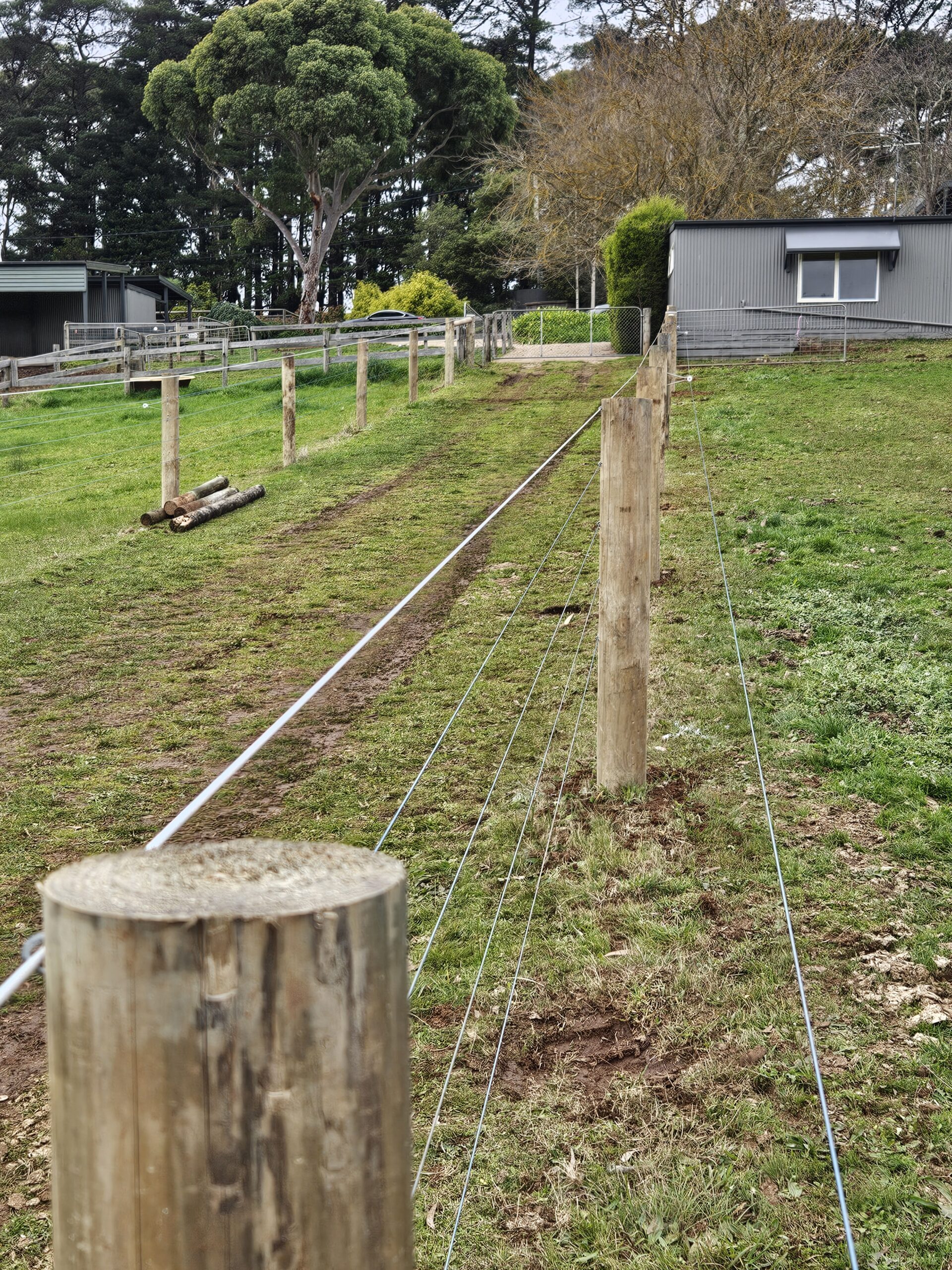
Electric fences are indeed suitable for livestock. They effectively deter animals from straying and provide a secure boundary, making them a popular choice for farmers looking to protect their herds and agricultural properties.
What is the lifespan of farm fencing?
The lifespan of farm fencing varies based on materials and environmental factors. Generally, wooden fences last 10-15 years, while metal and vinyl options can endure 20-30 years or more with proper maintenance.
How do I choose a fencing contractor?
Choosing a fencing contractor involves assessing their experience, customer reviews, and the range of fencing options they offer. Ensure they understand agricultural needs and can provide custom solutions tailored to your specific requirements.
What are the benefits of barbed wire fencing?
The benefits of barbed wire fencing include its cost-effectiveness, durability, and effectiveness in deterring livestock and intruders, making it an ideal choice for securing agricultural properties.
Can I install a fence myself?
Installing a fence yourself is possible, but it requires careful planning and knowledge of fencing techniques. If you're experienced and have the right tools, you can tackle the project; otherwise, professional assistance may ensure better results and compliance with local regulations.
What is the best height for farm fences?
The best height for farm fences typically ranges from 4 to 6 feet, depending on the type of livestock being contained and the specific needs of the farm. This height effectively deters animals while ensuring security.
How do I secure my fence posts?
Securing your fence posts involves ensuring they are properly set in concrete or gravel, allowing for stability. Additionally, using post brackets and regular maintenance checks can help prevent shifting and damage over time.
What are common fencing materials used?
Common fencing materials used include wood, vinyl, metal, and barbed wire. Each material offers unique benefits, such as durability, maintenance needs, and aesthetic appeal, making them suitable for various agricultural applications.
How do I prevent fence damage from animals?
Preventing fence damage from animals involves using durable materials, reinforcing weak spots, and installing barriers like electric fencing. Regular inspections and maintenance also help identify potential issues before they escalate.
What fencing options are best for hills?
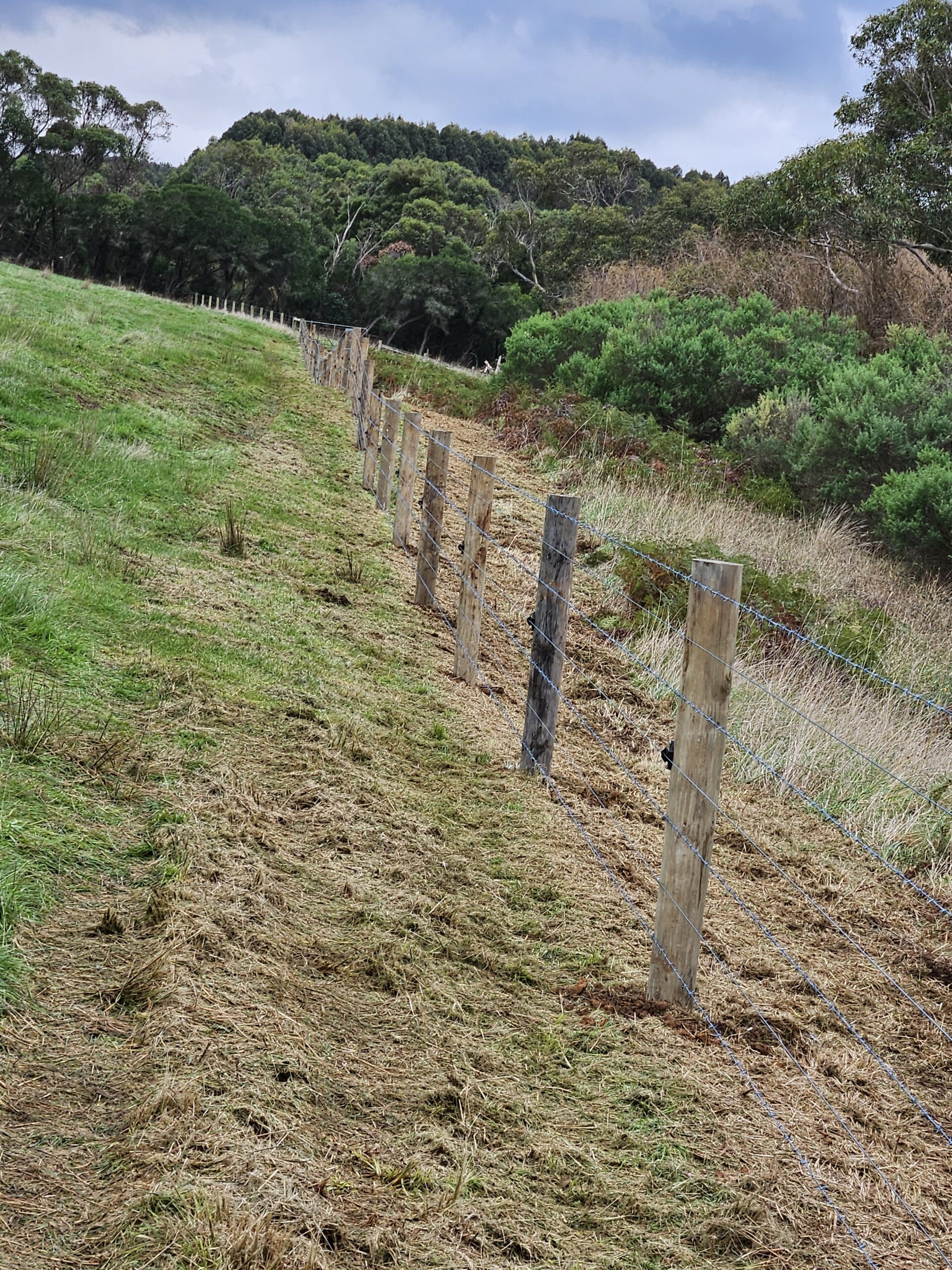
The best fencing options for hills include sturdy materials like barbed wire, woven wire, or electric fencing, which can effectively contain livestock while adapting to the terrain's slopes and contours. Custom solutions ensure optimal security and functionality for your agricultural needs.
How can I enhance fence durability?
To enhance fence durability, consider using high-quality materials, applying protective coatings, ensuring proper installation techniques, and conducting regular maintenance checks to prevent wear and damage.
What are the advantages of vinyl fencing?
The advantages of vinyl fencing include its durability, low maintenance requirements, and resistance to weather elements, making it an ideal choice for agricultural properties. Additionally, it offers a variety of styles and colors to suit your fencing needs.
How do I find local fencing contractors?
Finding local fencing contractors involves searching online directories, asking for recommendations from fellow farmers, and checking local classifieds. Additionally, visiting agricultural supply stores can provide leads on reputable contractors in your area.
What is the process for fence installation?
The process for fence installation involves several key steps. First, we assess your property and discuss your specific fencing needs. Next, we prepare the site, mark the layout, and install the posts. Finally, we complete the installation by adding the fencing material and ensuring everything is secure and functional.
Can I get a quote for custom fencing?
You can obtain a quote for custom fencing by contacting Pat Morrissey Agricultural Contracting directly. We will assess your specific needs and provide a tailored estimate to secure your agricultural property effectively.
What are the best practices for fence upkeep?
The best practices for fence upkeep include regular inspections for damage, timely repairs, and maintenance of vegetation around the fence line to prevent overgrowth. Additionally, applying protective treatments can enhance durability and longevity.
How do I choose the right fence style?
Choosing the right fence style involves considering your specific needs, such as the type of livestock you have, the level of security required, and the overall aesthetics of your property.
What are the regulations for fencing in my area?
The regulations for fencing in your area vary by locality and may include height restrictions, material requirements, and property line considerations. It is advisable to check with your local zoning office for specific guidelines.
How can I improve fence visibility?
Improving fence visibility is essential for safety and security. You can enhance visibility by using bright colors, reflective materials, or adding markers and signage to clearly delineate the fence line, ensuring it’s easily noticeable to both humans and livestock.